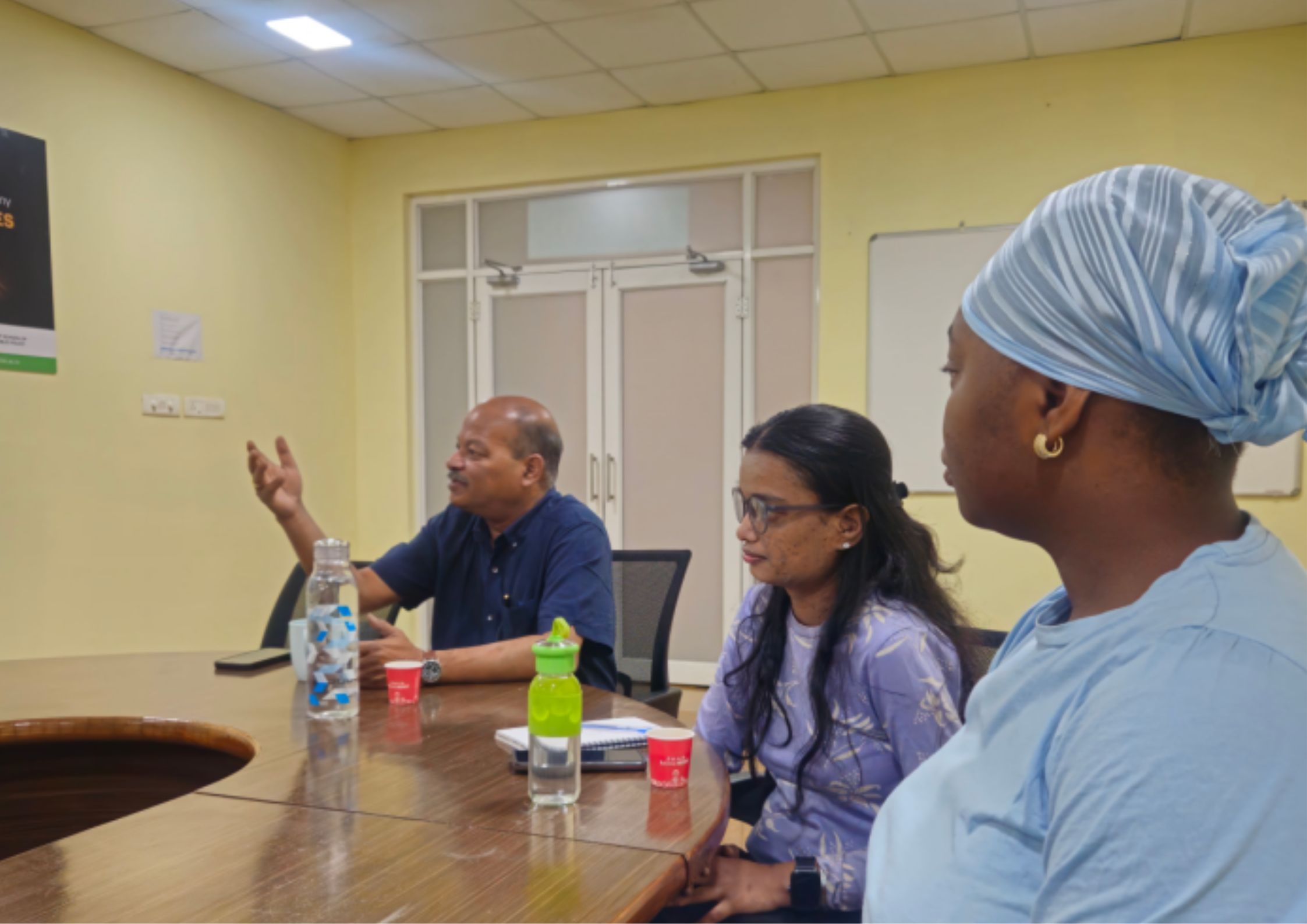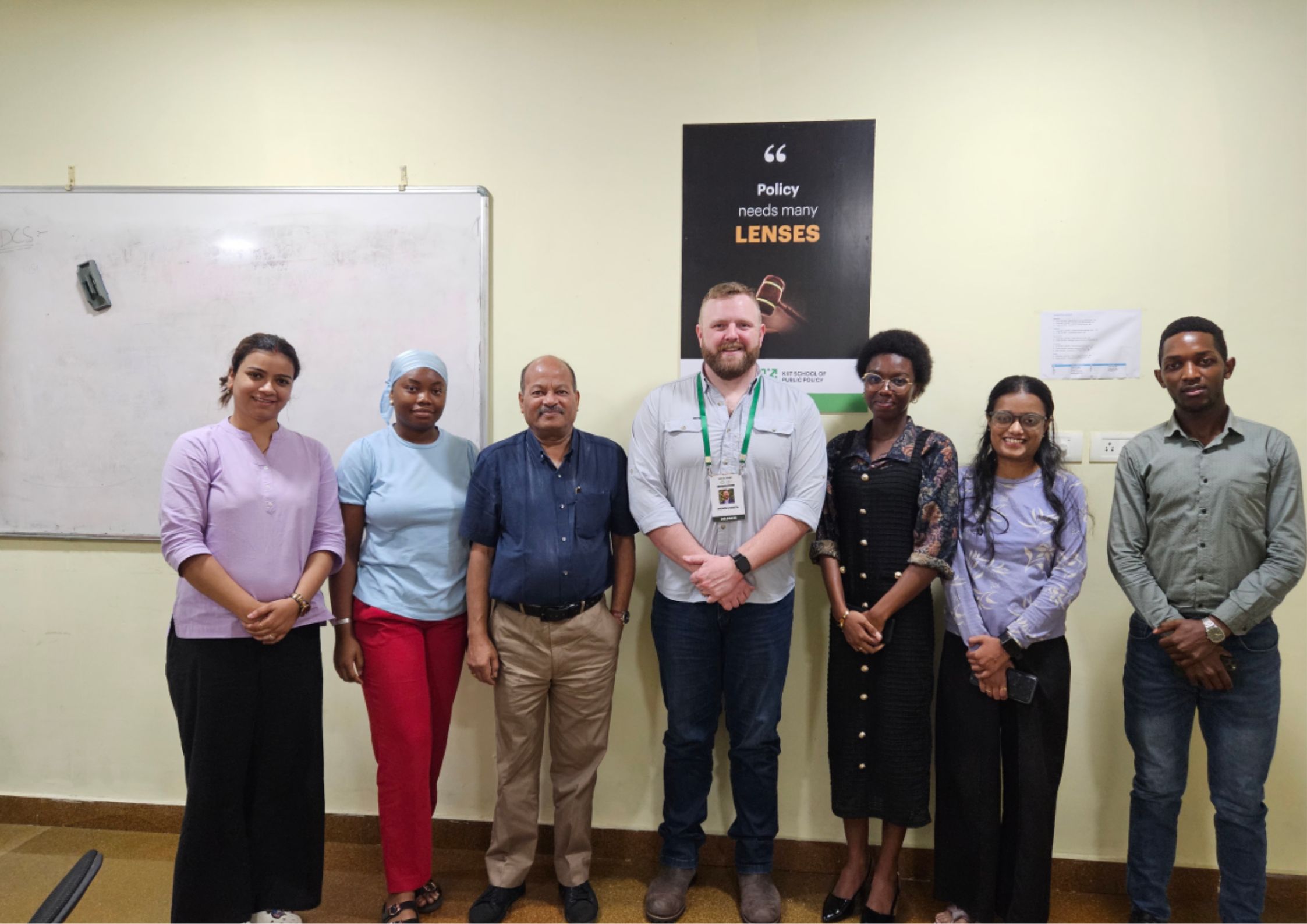
The KIIT School of Public Policy hosted an insightful session with Mr. Andrew J. Fjeseth on “Agricultural Policy as Political Management: Rethinking Incentives, Institutions, and State Capacity.” The session offered students an opportunity to examine agricultural policy through the broader lens of political economy, moving beyond conventional discussions centred solely on agricultural production and economic interventions.
Mr. Fjeseth explored how agricultural policymaking is closely connected with political incentives, institutional structures, and the capacity of the state to design and implement effective interventions. The discussion highlighted that policy outcomes are rarely determined by technical considerations alone. Instead, they are shaped by the political and institutional environment within which decisions are made and implemented.
A key focus of the session was the role of incentives in influencing policy choices and implementation. Students were encouraged to consider how different stakeholders, institutions, and political actors interact within the agricultural policy landscape and how their interests can affect policy priorities. This perspective helped demonstrate why technically sound policies may produce different outcomes depending on institutional arrangements and implementation capacity.
The session also examined the importance of state capacity in translating policy objectives into meaningful outcomes. Effective agricultural policy requires not only well-designed interventions but also institutions capable of coordinating stakeholders, allocating resources, responding to implementation challenges, and adapting policies to changing circumstances.
By approaching agriculture from a political economy perspective, the session encouraged students to critically assess the relationship between politics and public policy. It demonstrated that understanding agricultural policy requires an appreciation of the institutions, incentives, and governance structures that shape decision-making.
The interaction provided students with a broader framework for analysing policy design and implementation and reinforced the importance of considering political and institutional realities when developing effective and sustainable public policy interventions.